

Strategy
Trade War and Government Procurement: What Canadian Firms Have Over US Competitors Right Now
September 26, 2026
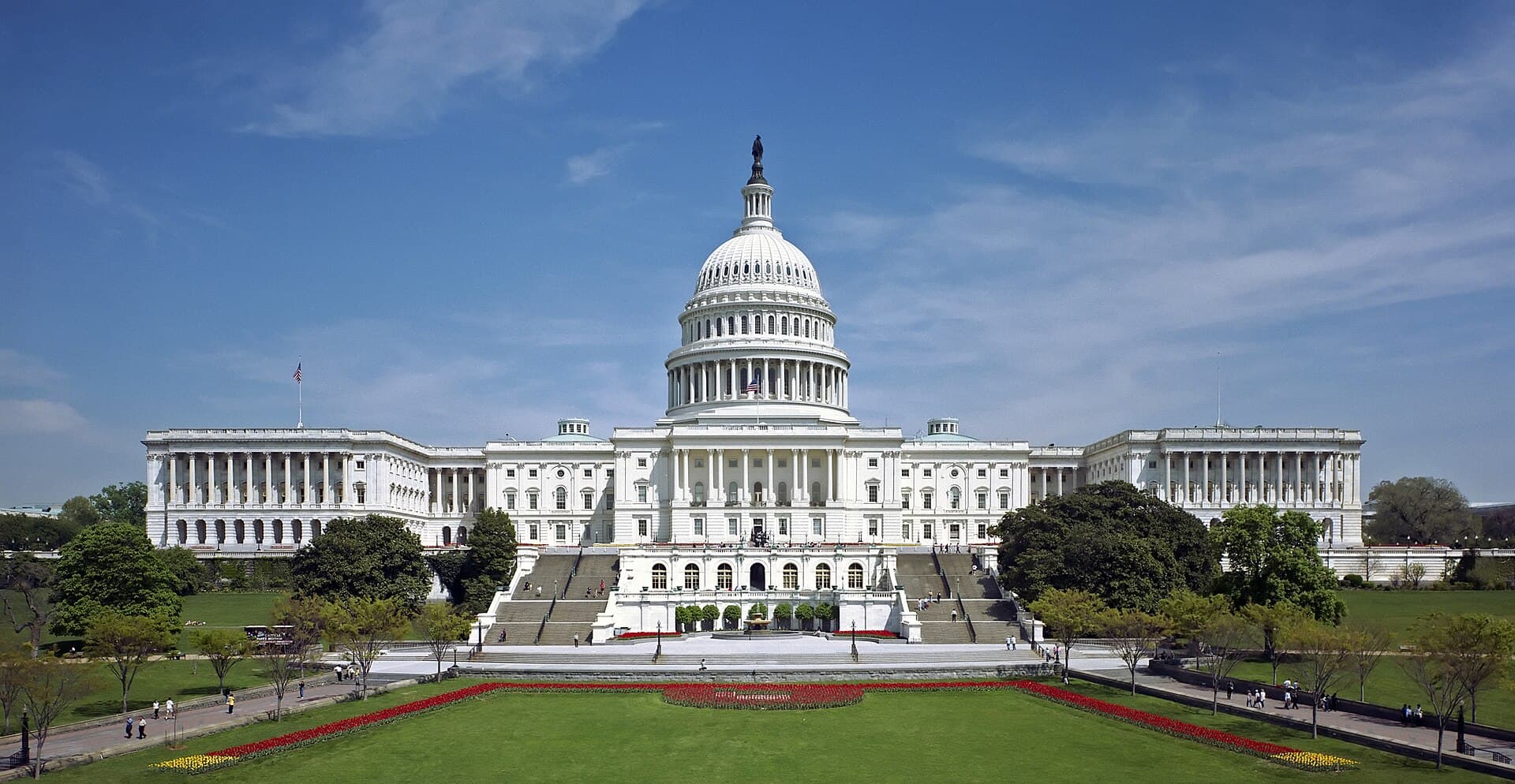
The US federal market is the largest public buyer in the world — and one of the easiest to misunderstand. Notices live on SAM.gov. Registration is mandatory. Evaluation rules differ from CanadaBuys. Set-asides, NAICS codes, and FAR clauses decide who can even open the door. Whether you are a US firm getting serious about federal work or a Canadian supplier testing the southern market, these are the facts that matter before you burn a week on the wrong solicitation.
Sidona helps you find and read opportunities. Registration, proposals, and awards still go through SAM.gov (and the issuing agency’s process).
| Fact | Why it matters |
|---|---|
| SAM.gov is the federal notice board | Most open competitive federal solicitations post here. If you only watch agency websites, you will miss work. |
| Unique Entity ID (UEI) replaces DUNS | You need an active SAM registration and UEI before most awards and many proposal submissions. |
| NAICS codes drive eligibility and set-asides | Wrong NAICS = wrong alerts and often wrong set-aside lane. |
| FAR / DFARS clauses are not optional reading | Mandatory requirements hide in clauses and attachments — not just the cover page. |
| Set-asides shrink the competitive field | Small business, 8(a), WOSB, SDVOSB, HUBZone and others change who can bid. |
Before you chase RFPs, finish entity registration in SAM.gov and confirm your UEI is active. Map your primary and secondary NAICS codes to what you actually sell — not every code you wish you sold. If you pursue set-asides, confirm small-business size standards for those NAICS. Canadian firms need a clear US contracting vehicle story (subsidiary, joint venture, or eligible prime/sub structure) and should expect more scrutiny on data location and foreign ownership on sensitive work.
Many federal buys use best-value tradeoffs (technical + price). Others are lowest-price technically acceptable. Past performance, key personnel, and compliance with every mandatory solicitation requirement decide pass/fail long before price. Amendments (amendatory notices) change dates, volumes, and clauses — missing one is a classic disqualification.
US federal procurement rewards registration hygiene, NAICS discipline, and document reading — not keyword luck. Use Sidona to keep SAM.gov opportunities beside your Canadian feed so you do not miss amendments while hopping portals.
Sidona searches official government tenders across CanadaBuys, provincial boards, and US sources — then reads the RFP with you.
Every tender notice links back to the government portal it came from.
September 26, 2026
September 22, 2026

September 20, 2026