

Strategy
Trade War and Government Procurement: What Canadian Firms Have Over US Competitors Right Now
September 26, 2026
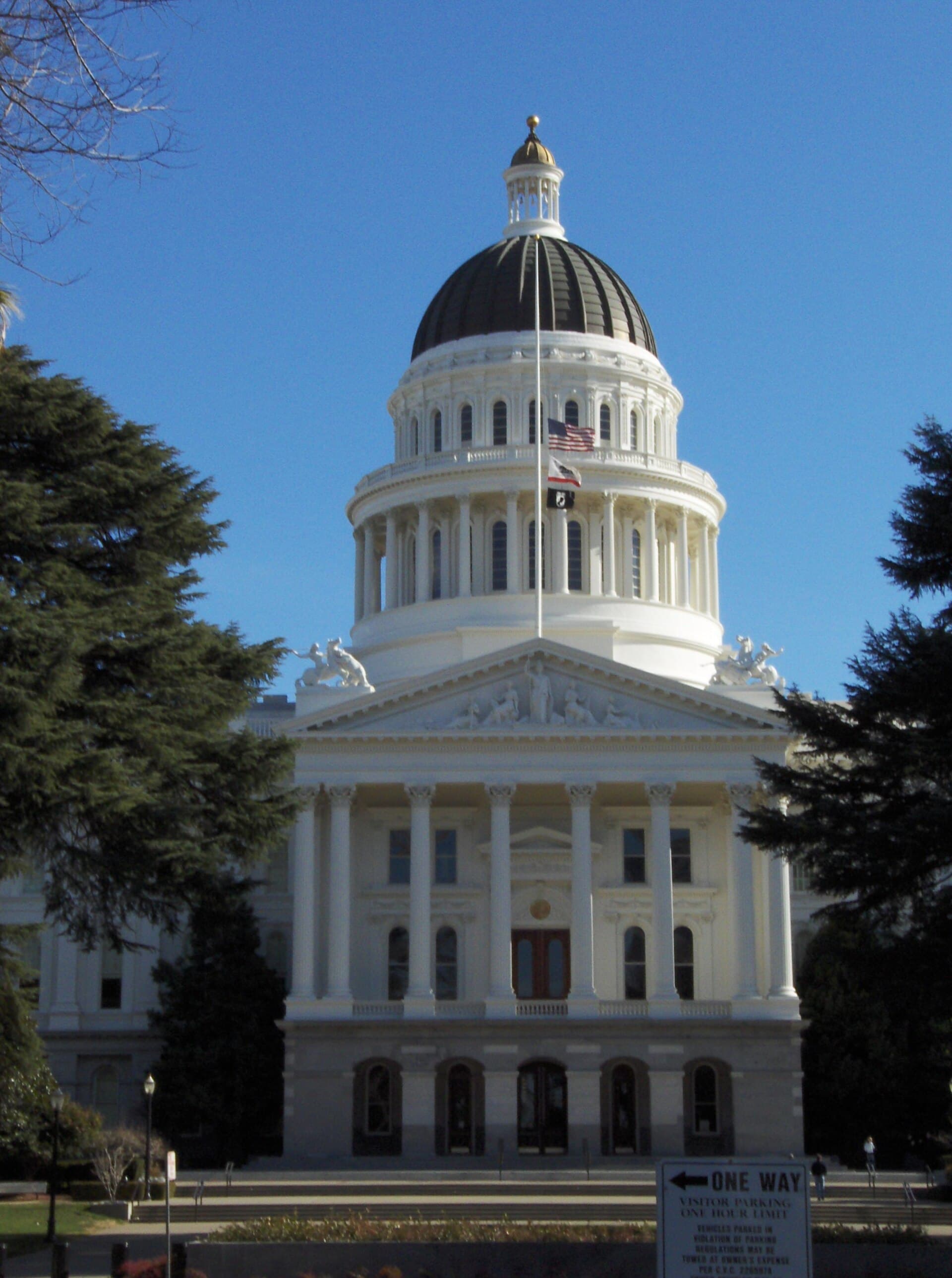
SAM.gov is necessary for federal work. It is not sufficient for the full US public sector. States, cities, counties, school districts, and public universities run their own portals, vendor registrations, and cooperative purchasing vehicles. Teams that only monitor federal notices leave an entire market on the table — often with shorter cycles and more relationship-driven awards.
| Layer | Where notices live | Typical quirks |
|---|---|---|
| Federal | SAM.gov | UEI, NAICS, FAR, set-asides |
| State | State procurement portals / eProcurement systems | Separate vendor IDs per state; commodity codes vary |
| Local | City/county boards or state aggregators | Local preferences, bonding, shorter timelines |
| Education / special districts | District or cooperative portals | School calendars drive buying seasons |
| Cooperatives | NASPO, Sourcewell, GSA schedules (where applicable) | Compete to get on the vehicle, then market to members |
Pick the five states where you can actually staff delivery. Register as a vendor there. Watch those portals plus SAM.gov. Add cooperatives once you have a referenceable state or local win. Sidona’s job is to keep official notices from the boards you care about in one place so “federal-only tunnel vision” does not become your default.
US public procurement is federal plus state plus local. SAM.gov alone is a partial map. Cover the layers that match your delivery footprint.
Sidona searches official government tenders across CanadaBuys, provincial boards, and US sources — then reads the RFP with you.
Every tender notice links back to the government portal it came from.
September 26, 2026
September 24, 2026

September 22, 2026